There is a very specific kind of company holiday party everybody has attended, and it is exactly what Agenda Restaurant & Lounge should help you avoid. People arrive from work, stand near the bar with the same three coworkers they already see every day, eat something forgettable, take one group photo and begin checking how early they can leave without seeming rude.
That is not the December memory anybody is trying to create. A good corporate holiday party in Astoria should feel like the company actually stopped working for a few hours. Agenda Restaurant & Lounge gives teams a way to combine dinner, cocktails, private-party planning and a livelier restaurant-and-lounge atmosphere in one place, which can make the night feel much more like a celebration and much less like a meeting that wandered into December.
If the goal is to book a strong December date, the planning needs to start before December does.
Holiday-party planning becomes dramatically less flexible once the most popular December Tursdays, Fridays and Saturdays begin disappearing. Before debating décor, signature drinks or whether the invitation should say “holiday party” or “end-of-year celebration,” establish the basics: preferred date, backup date, approximate headcount and the kind of event you are trying to host. Then ask Agenda what is actually available.
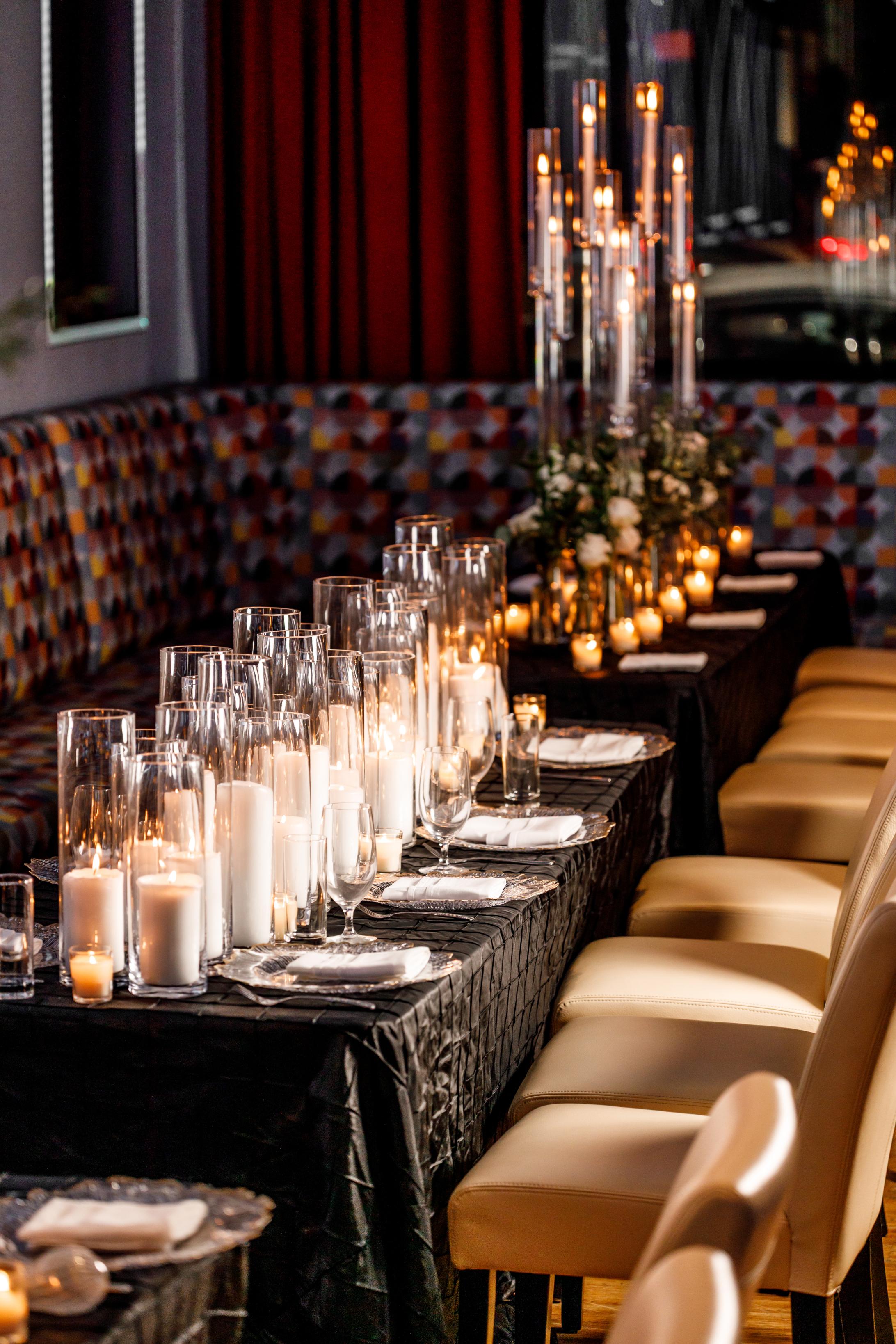
Agenda’s private-party setup includes multiple spaces, so the right option depends on the size of the team and what the evening needs to do. A seated company dinner has different requirements from a cocktail-style reception, and both are different from a celebration that needs dinner first and dancing later.
Do not choose the room only from a photo. Ask how many people it works for in the setup you want, how the seating changes the space and what happens if the guest count moves up or down after invitations go out. For December, availability itself is part of the strategy. If the company can use a Wednesday, earlier evening or another less competitive slot, mention that flexibility when you inquire.
“Company holiday party” can mean almost anything. For one team it is a polished dinner for fifteen people. For another it is seventy coworkers, cocktails, speeches and a dance floor. A founder may imagine a relaxed end-of-year meal while the staff is already discussing outfits and who controls the playlist. The venue needs to know which version you are planning.
Start with what you want employees to experience. Should people sit for most of the night or move around? Is dinner the main event? Will there be awards, speeches or a year-end toast? Do you want the evening to become more energetic after the meal? Will plus-ones be invited? Does the company want one private room or simply a large group reservation with the restaurant’s regular energy around it?
Agenda works as both a restaurant and lounge, which gives organizers room to build a night that changes pace instead of staying in one mode from arrival to last call. The clearer you are about the experience, the easier it is for the venue to recommend the right setup.
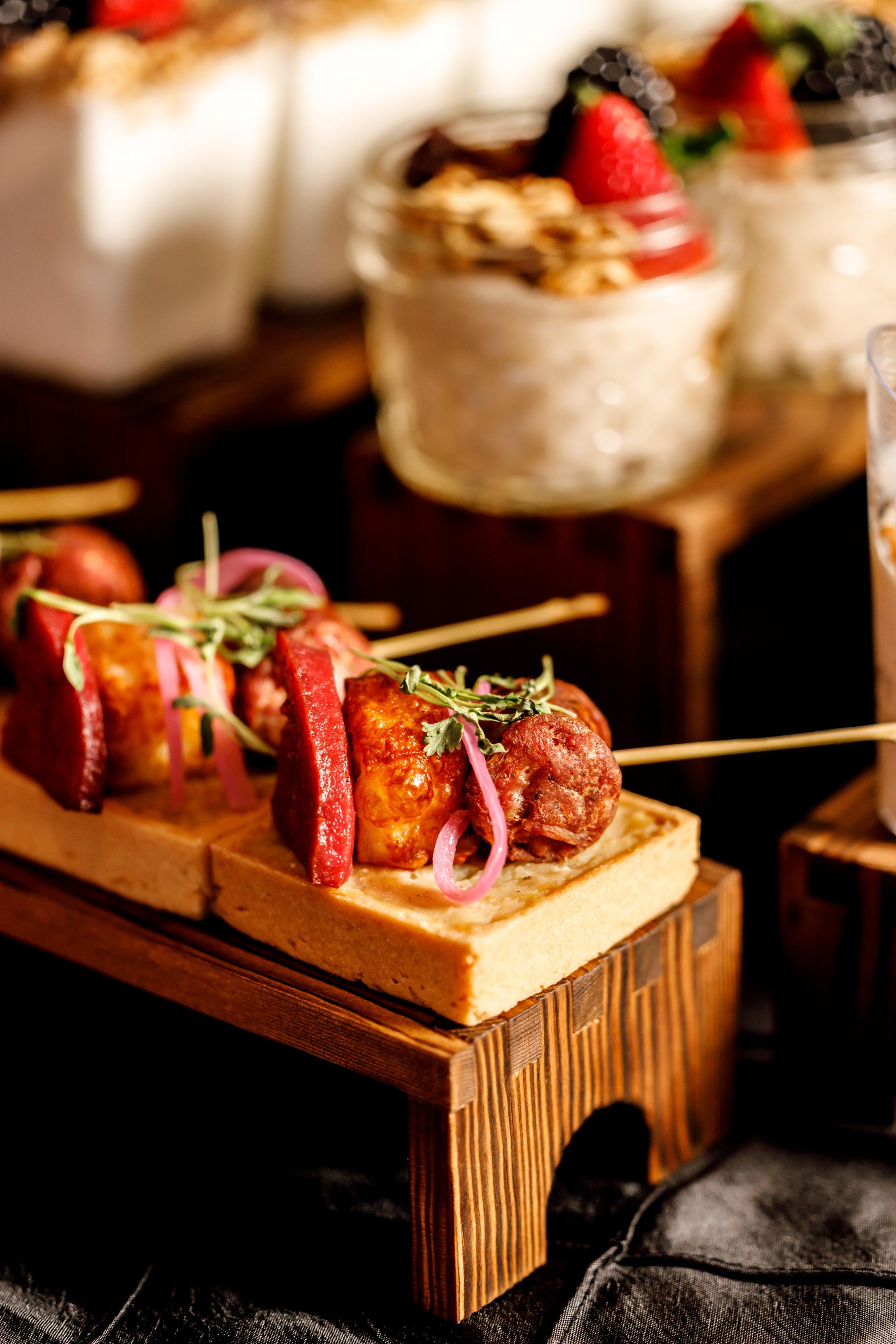
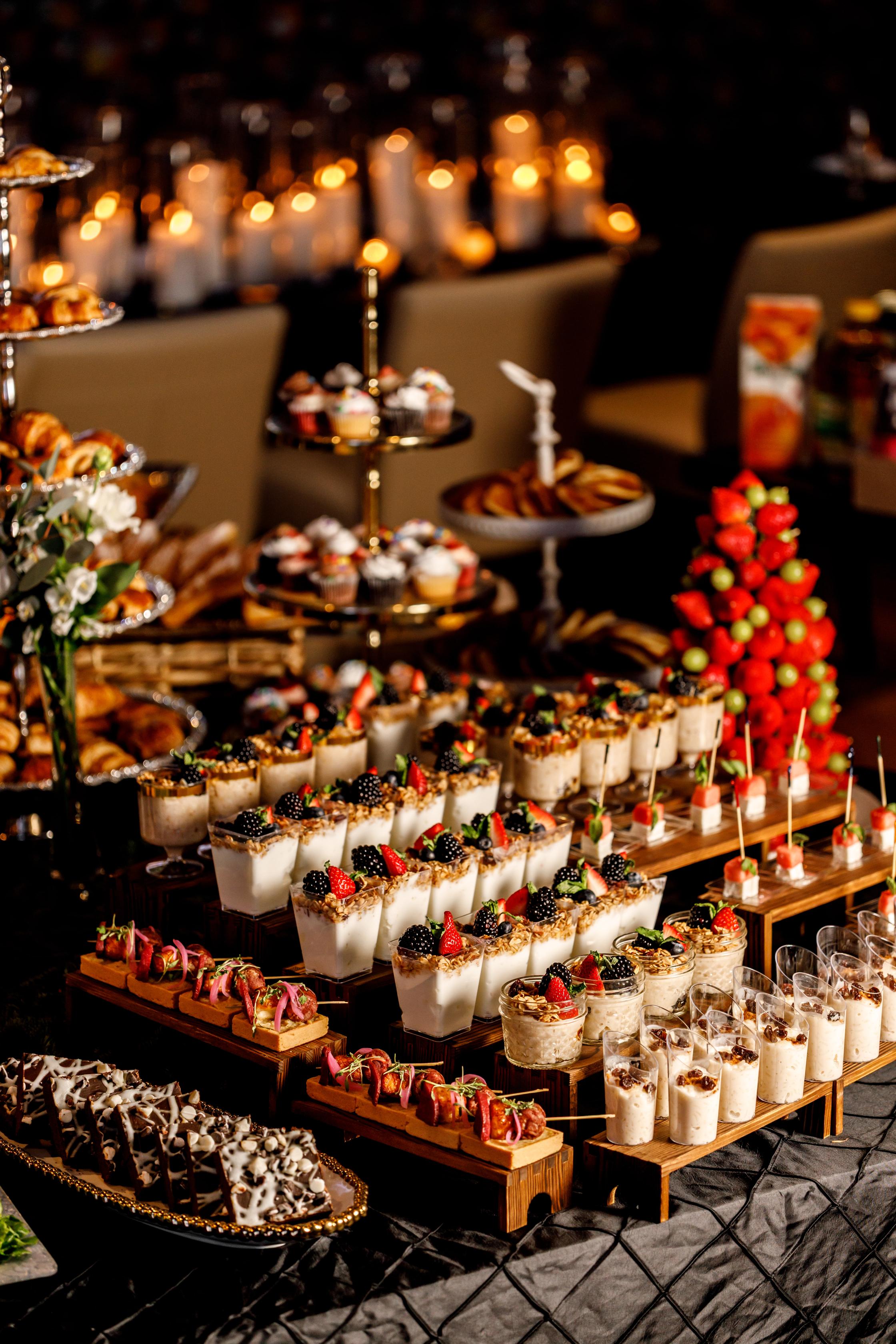
The fastest way to make a holiday party feel institutional is to serve a menu that could have come from any hotel conference room in the city. Agenda’s restaurant identity is useful here because the food already has a life outside private events. The regular dinner menu leans into Latin and fusion flavors, with shareable starters and full entrées that give a company dinner more personality than the standard banquet formula.
Use the current restaurant menu as a sense of the kitchen’s direction, then confirm the actual private-event menu for the holiday party. Event menus, service formats and available dishes can differ from regular dinner service. Ask whether the event is plated, buffet-style, family-style or passed, how dietary restrictions are handled, when final selections are due and whether the venue needs the final headcount by a particular date.
For office groups, dietary planning deserves more attention than it usually gets. Gather allergies, vegetarian needs, religious restrictions and other requirements before the menu is finalized. One organized list is much easier for both the venue and the person planning the party than twenty separate messages arriving the week of the event.
Work friends and actual friends are sometimes the same people. A good holiday party gives them a chance to find out. Agenda’s cocktail-and-lounge identity gives the bar a bigger role than simply placing wine on every table. Depending on the current private-event options, the company may be able to structure drinks around a hosted bar, selected cocktails, wine and beer, mocktails or another setup that matches both the budget and the tone of the evening.
Confirm what is included before promising anything internally. Do not assume the regular drink menu, happy-hour offer or a package from an old event automatically applies to the company’s date. If the team wants a signature drink, wonderful. If the finance person wants to know exactly what the bar costs, also wonderful, and considerably more urgent. The practical questions come first: what is included, how service works, whether nonalcoholic options are available, what the limits are and when the bar portion of the package begins and ends. Then you can name the cocktail after the inside joke nobody outside accounting understands.
The best part of a company holiday party is often the point when everybody stops talking about work. That transition rarely happens because someone announces it. It happens because dinner ends, the music changes, people order another drink and the room gives them permission to relax.
Agenda’s restaurant-and-lounge setup can make that progression easier for a company that wants dinner and a livelier second half in one venue. Instead of finishing the meal and then coordinating another location, the evening can potentially continue at the same address.
If dancing, a DJ or specific programming is important to the event, confirm exactly how that works for the chosen date. Regular venue programming can change, and a private event may have different arrangements from an ordinary night at the restaurant.
Ask about music, sound, where dancing happens, whether the event has dedicated space for it and what time any transition occurs. If the company plans speeches, awards or a year-end toast, schedule those before the room becomes too loud for the CEO to compete with the playlist.
Your team has already spent enough time navigating calendars this year. Send one useful message before the party with the venue name, full address, arrival time, reservation or event name, dress guidance if there is any, and transportation or parking information people actually need.
Agenda Restaurant & Lounge is at 28-18 31st Street in Astoria, Queens, and the venue currently advertises valet parking. Confirm the current valet schedule and event-specific terms before including it in the company invitation.
If the team is coming from different boroughs, mention the arrival window clearly. If there is a hard start for dinner, speeches or the event package, say so. “Party starts at seven” and “please be seated by seven because dinner begins then” are not the same instruction, especially to the coworker who believes fifteen minutes late still counts as early.
Before approving the event, get clear answers about the date, room, guest count, menu format, bar structure, deposits, minimums, timing, final-headcount deadline, cancellation terms, setup access, decorations, cake, outside vendors, AV, music, valet, accessibility and any additional fees.
Do not assume a package includes something because another venue normally includes it. Ask what Agenda’s current proposal includes for this specific event.
If HR needs an invoice, certificate, contract detail or specific payment timeline, request that early too. Corporate events usually involve more people approving things than a birthday dinner does, and the person planning the party does not need the accounting department discovering a missing document two days before the event.
If the company has a firm budget, share it. A useful events conversation is much easier when both sides know the guest count, priorities and financial range they are working with.
Agenda promotes private parties and celebrations and has multiple spaces that can work for group events. Contact the events team with the company’s preferred December date, approximate headcount and event style to confirm availability and current options.
As early as the company has a workable date and headcount. Popular December dates become less flexible as the season gets closer, so September and October are useful planning months for teams that want more choice.
Agenda operates as both a restaurant and lounge and promotes cocktails, DJs and dancing. Ask the events team how dinner and a livelier second half can be arranged for the company’s specific date and space.
Agenda has promoted celebration and private-party packages, but inclusions, pricing and availability can change. Request the current event options directly rather than relying on an older menu or promotion.
Possibly. A team primarily interested in dinner and drinks may be able to use a large-group restaurant reservation, while a company that needs dedicated space, decorations, speeches, a structured menu or a longer programmed event may be better served by the private-party team. Send the headcount and plan and let the venue recommend the right route.
Agenda Restaurant & Lounge is at 28-18 31st Street in Astoria, Queens.
A corporate holiday party should give people something better to talk about than work, and the venue does a lot of the heavy lifting. Choose the date before the calendar gets tight, decide what kind of night the team actually wants, make the food and drinks part of the experience, and give the evening somewhere to go after dinner.
Agenda brings the restaurant, cocktails and lounge energy together at one Astoria address, so the person organizing the party can eventually stop organizing and join it.
